Care and Maintenance of Compressed Air Dryers
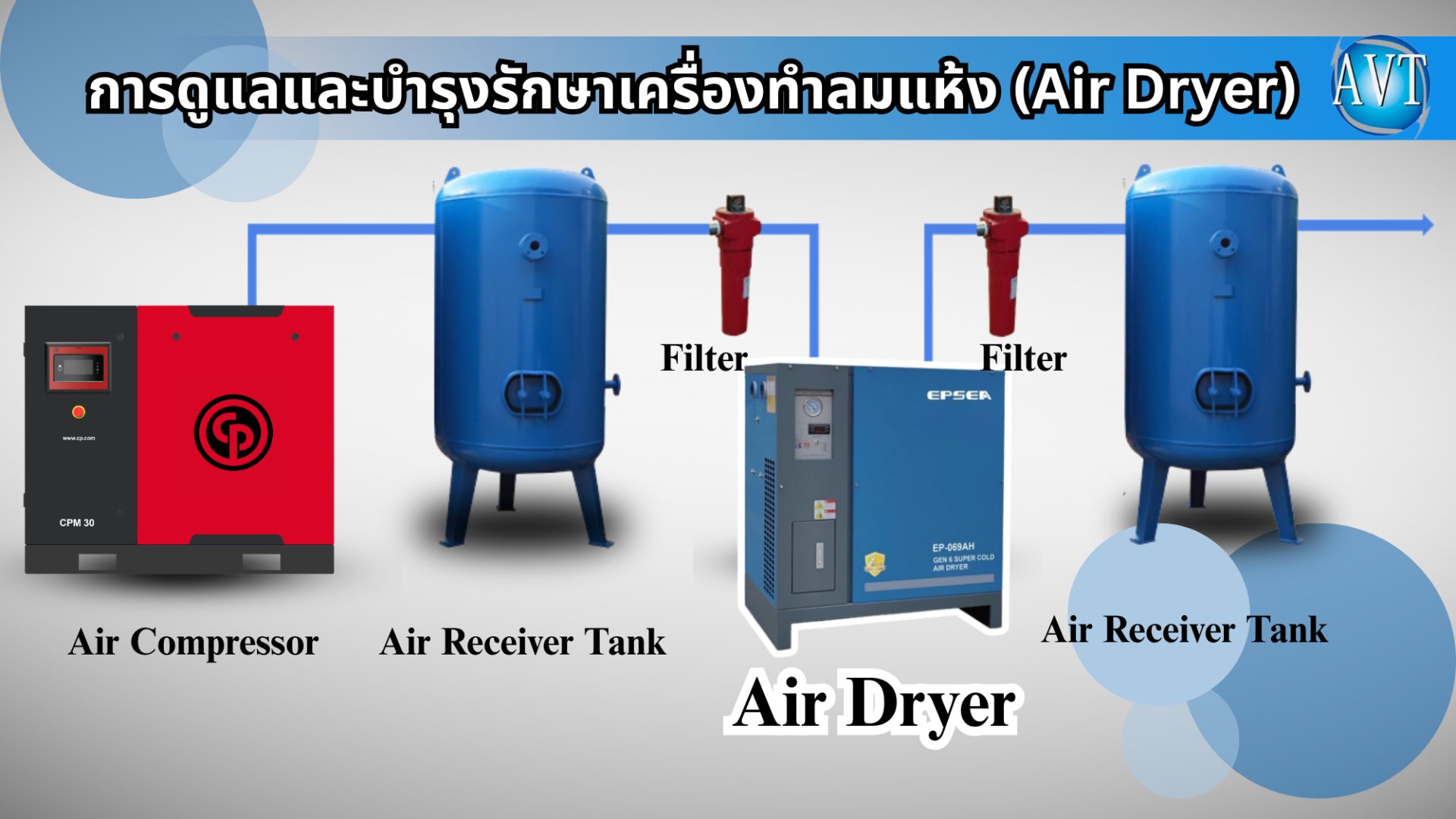
Care and Maintenance of Air Dryers in Compressed Air Systems
In a Compressed Air System, the Air Dryer serves as the heart of moisture removal. It effectively eliminates humidity mixed with compressed air. If moisture is allowed to accumulate without proper care, it can lead to various issues, such as internal pipe corrosion, rusting, and damage to pneumatic equipment throughout the industrial facility.
This article explores the importance of air dryer maintenance and provides guidance on proper care, maintenance schedules, and warning signs to watch for. This will help plant engineers, technicians, and system operators maintain peak efficiency and extend the lifespan of their machinery in the long run.
The Importance of Air Dryer Maintenance
Have you ever noticed that in plants with compressed air systems, poorly maintained air dryers cause more trouble than expected? Moisture in the air can cause internal corrosion in piping and components, leading to rust and clogs. This not only reduces machine efficiency but also increases the frequency of unscheduled downtime.
Furthermore, moisture negatively impacts product quality on the production line and can cause unexpected process interruptions. Proper maintenance is not just about machine upkeep; it is about ensuring dry, clean air quality, reducing moisture-related risks, and saving on long-term maintenance costs. When the system runs smoothly, the plant experiences increased equipment longevity and higher production reliability.
Best Practices for Air Dryer Maintenance
1. Inspect Air Filters to Prevent Contamination
Filters act as the first line of defense, trapping dust and contaminants before they enter the dryer. Regularly inspecting, cleaning, or replacing filter elements is crucial. Clogged filters allow debris to accumulate inside the dryer, dropping efficiency and potentially causing damage.
Pro Tip: Follow manufacturer guidelines (typically every 3–6 months) to prevent pressure drops that hinder performance.
2. Check and Clean Auto Drains
The Auto Drain is a critical component that discharges condensate (water) from the system. Regularly checking and cleaning these drains ensures they aren't clogged, preventing water buildup that leads to rust. If an auto drain fails, water will accumulate in air receivers and piping—the primary cause of system-wide corrosion.
3. Monitor Temperature and Pressure Levels
Operating within the manufacturer's specified range is vital.
Refrigerated Air Dryers: Should maintain a Dew Point between 3°C to 10°C.
Desiccant Air Dryers: Can achieve a Dew Point as low as -40°C for ultra-dry air requirements. Regular monitoring prevents the unit from overworking, which could lead to premature failure.
4. Clean the Condenser for Optimal Heat Dissipation
In refrigerated dryers, the condenser dissipates heat from the system. Dust or dirt buildup on the condenser coils forces the machine to work harder, increasing operating temperatures and the risk of a system trip.
Recommended: Clean the condenser every 6 months or more frequently in dusty environments.
5. Inspect for Air Leaks
Leaks are common and lead to significant energy waste. Regularly checking joints, valves, and hoses to repair leaks immediately will maintain system efficiency and reduce production costs. Using an Ultrasonic Leak Detector can help identify leaks accurately and quickly.
Critical Warning Signs to Watch For
Identifying early warning signs can prevent catastrophic failures:
1. Moisture or water droplets appearing at the point of use.
2. Abnormal pressure drops (often caused by clogs or leaks).
3. Unusual noise or vibration indicating mechanical wear or internal damage.
4. Overheating: The dryer runs hotter than usual, likely due to a dirty condenser or cooling system failure.
Conclusion
Maintaining an air dryer is essential for any compressed air system to prevent moisture-related damage. By consistently inspecting filters, auto drains, and condensers, while monitoring system parameters, you ensure your industrial machinery operates at peak performance. Good maintenance doesn't just cut costs—it builds a more reliable, safer, and sustainable production environment.


