5 Critical Factors for Choosing an Industrial Air Receiver Tank
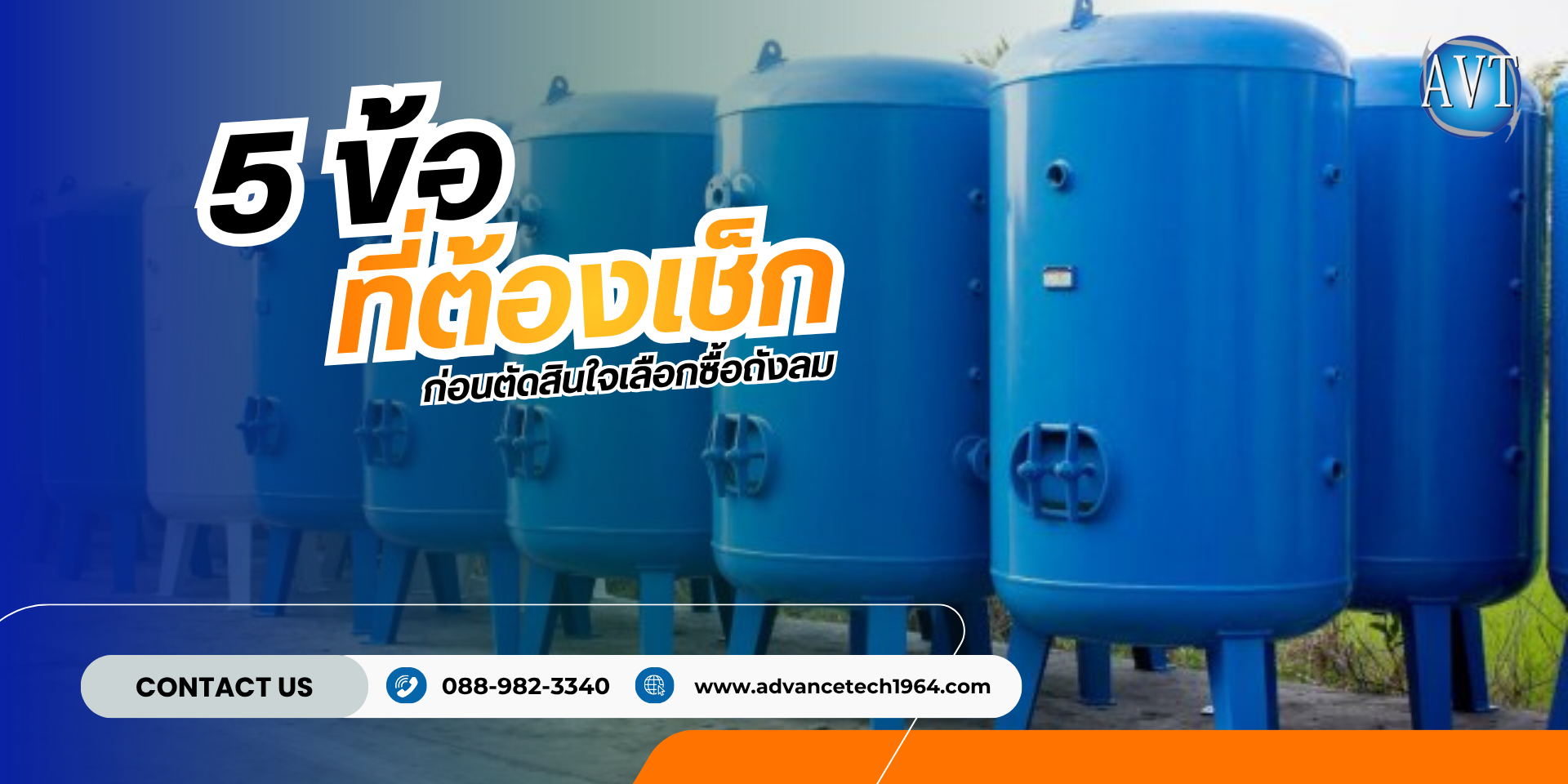
5 Critical Factors for Choosing an Industrial Air Receiver Tank
In a compressed air system, the air receiver tank acts like the "lungs" of the operation—storing air and maintaining constant pressure. However, choosing a low-quality or incorrect tank can lead to skyrocketing energy costs or, worse, serious accidents. Here is a professional guide to help you make an accurate and safe decision.
1. Manufacturing Standards and Certification
Safety is the ultimate priority. A high-quality tank must be manufactured according to international standards, such as ASME (American Society of Mechanical Engineers). In Thailand, the design and calculations must be certified by a licensed professional mechanical engineer, accompanied by a Hydrostatic Test report to verify that the tank can safely withstand its rated pressure.
2. Material and Coating
Internal Coating: For industries requiring high air purity (such as food, beverage, or pharmaceuticals), choose a tank with an internal epoxy coating to prevent internal corrosion and rust contamination.
External Finishing: High-quality anti-corrosive external paint significantly extends the tank's lifespan, especially in environments with high humidity.
3. Sizing Strategy
Choosing a tank size that correlates with your air demand is vital. A common industry rule of thumb is that the tank capacity should be approximately 1/3 or 1/4 of the compressor’s Free Air Delivery (F.A.D.) per minute.
Tank is too small: The compressor will Load/Unload too frequently, leading to higher energy consumption and premature wear and tear.
Tank is too large: The system will take an excessive amount of time to reach the required operating pressure during startup.
4. Mandatory Accessories
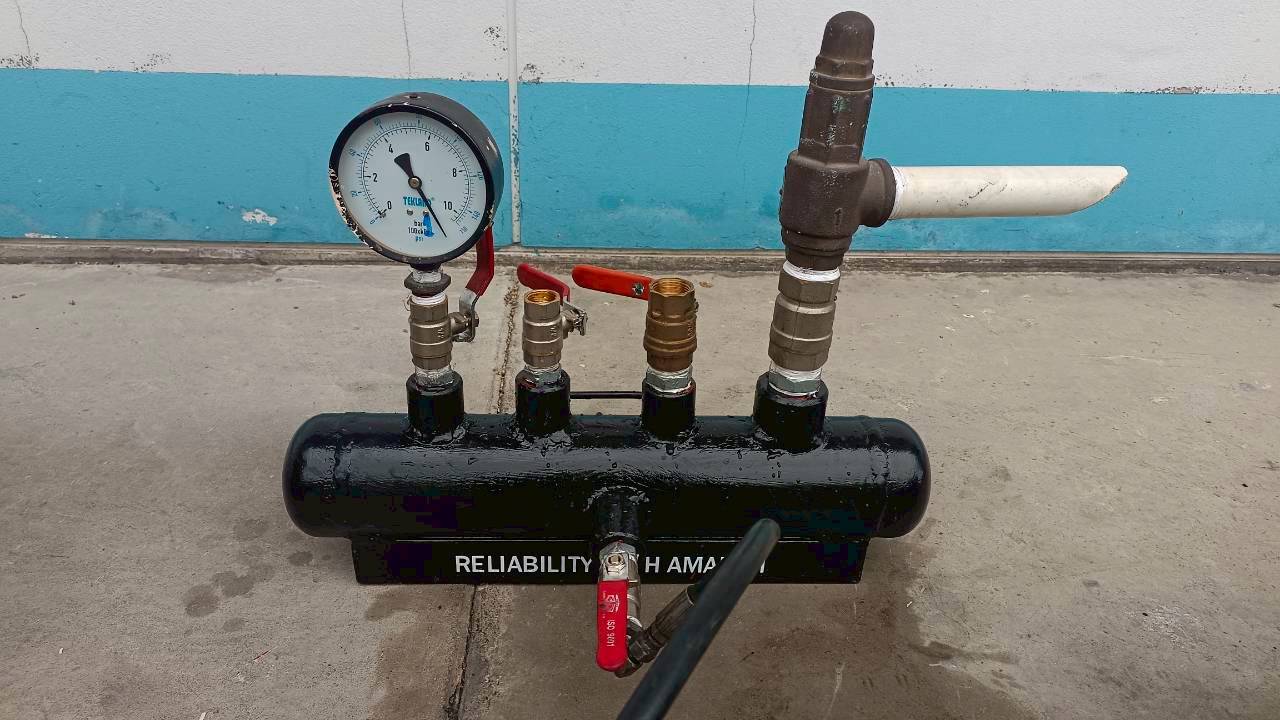
An air receiver tank is not just a hollow vessel; it must be equipped with essential safety components:
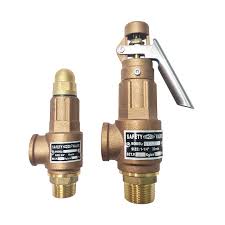
Safety Valve: Relieves excess pressure to prevent explosions. This must be calibrated and tested regularly.
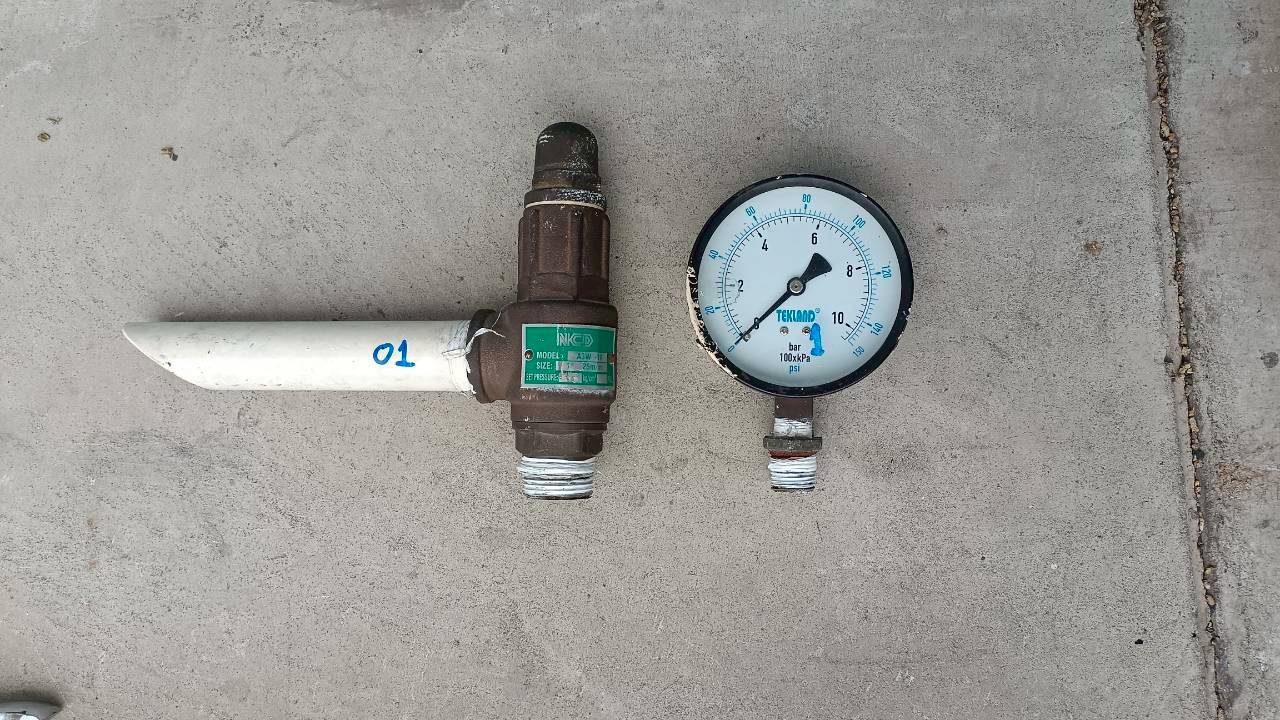
Pressure Gauge: Provides accurate, real-time pressure readings.
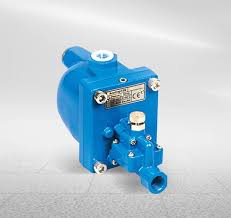
Auto Drain: Automatically removes accumulated condensate. Water buildup is a primary cause of internal rust and reduces the effective storage volume of the tank.
5. Legal Inspection & Compliance
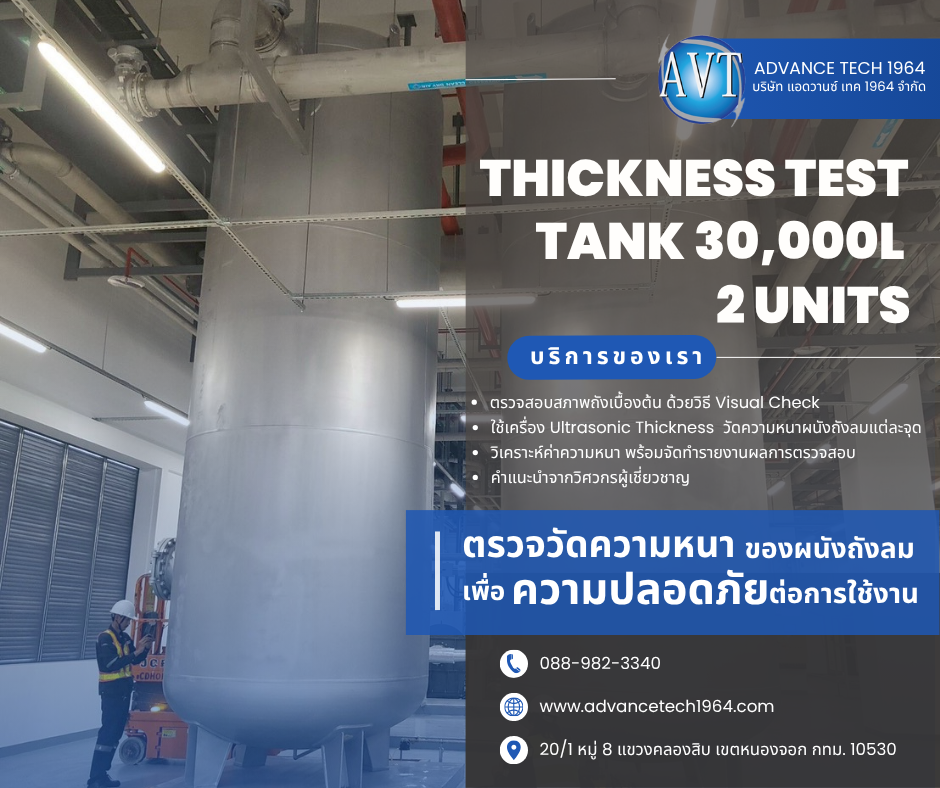
In many jurisdictions, including Thailand, air receiver tanks that meet certain size and pressure thresholds must undergo annual safety inspections by a certified engineer. Partnering with a supplier that offers after-sales service and assists with legal certification will significantly reduce your administrative burden.
Conclusion
Investing in a high-standard air receiver tank may require a higher initial cost, but when compared to the "peace of mind" regarding safety and a durability that lasts for decades, it is the most cost-effective investment for your facility.