The Critical Role of Filter Elements in Industrial Compressed Air Systems
Last updated: 28 May 2026
640 Views
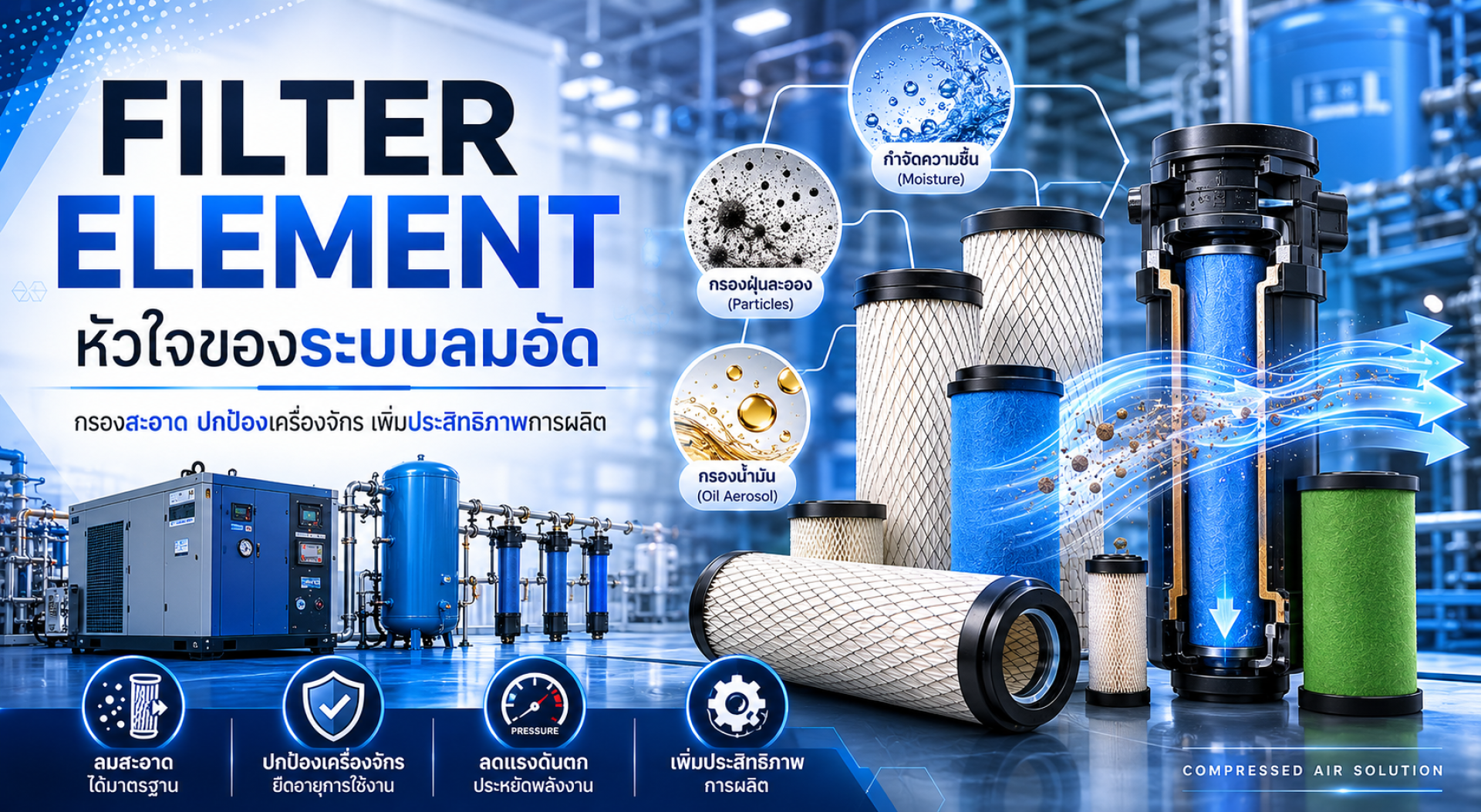
The Role and Importance of Filter Elements in Compressed Air Systems
In industrial compressed air systems, the filter element is a critical component that directly impacts the efficiency and quality of the generated compressed air. Filtering out contaminants such as dust, oil, and moisture before the air enters the production process not only maintains air quality but also prevents damage to various machinery and equipment within the system. This article delves into the role and importance of filter elements in compressed air systems, analyzes the impacts of filter clogging, and outlines proper selection criteria to help plant engineers and system administrators effectively apply this knowledge.
The Importance of Filter Elements in Compressed Air Systems
Imagine a compressed air system without a filter. The compressed air would be filled with dust particles, oil, and moisture that could quickly damage machinery and equipment. Therefore, a filter element acts as a protective shield, trapping these impurities before the air is distributed for actual use.
In addition to maintaining air quality, filter elements play a vital role in reducing maintenance costs and extending the lifespan of machinery within the system. Investing in high-quality filter elements is a cost-effective strategy that enhances the long-term reliability of the compressed air system.
Contaminants in Compressed Air Systems and Their Impacts
Contaminants in compressed air systems come in various forms, ranging from airborne micro-dust and oil leaks from compressors to moisture caused by atmospheric water vapor condensation. If these impurities are not properly filtered out, they will accumulate and clog pipes or equipment throughout the system.
Consequently, system pressure drops, leading to a decline in machinery performance. Furthermore, contaminants accelerate equipment wear and tear and can degrade the quality of products that utilize the compressed air. For instance, in the food industry—where clean, contaminant-free compressed air is strictly required—efficient filter elements are essential to maintain product quality and safety standards.
Functions and Types of Filter Elements in Compressed Air Systems
The primary function of a filter element is to capture and separate contaminants from compressed air, ensuring that the air delivered to tools and equipment is clean and safe to use. Various types of filter elements are available to meet different system requirements:
Particulate Filters: Ideal for filtering dust and large particles mixed with compressed air, preventing dust accumulation that could impair tool and system efficiency.
Coalescing Filters: Designed to separate oil aerosols and water droplets from compressed air, preventing contamination that could damage tools and degrade product quality in the production process.
High-Efficiency Filters: Capable of filtering ultra-fine particles down to the micron level. These are suitable for applications requiring premium air quality, such as the food and pharmaceutical industries, where clean, contaminant-free air is mandatory.
The selection of each filter type depends on the system requirements and desired quality standards. For example, the food industry may utilize certified Food-Grade filter elements to ensure the compressed air contains no contaminants harmful to products and consumers.
Impacts of Filter Element Clogging
When a filter element becomes clogged due to excessive contaminant accumulation, a noticeable pressure drop occurs across the system. This causes machinery to operate below peak efficiency, occasionally leading to malfunctions or unexpected downtime, which disrupts production lines and increases maintenance and repair costs.
Additionally, clogging forces the system to consume more energy to push air through the obstructed filter, resulting in higher energy expenses and reduced overall efficiency of the compressed air system. This issue directly affects the operational sustainability and running costs of industrial plants.
Criteria for Replacing and Selecting Filter Elements
Filter elements should be replaced according to the manufacturer's recommendations or when a significant drop in filtration efficiency is detected, such as an abnormal pressure drop or excessive contaminant buildup. A precise method for monitoring filter condition is measuring the pressure drop, which indicates the level of filter clogging.
Furthermore, it is advisable to select high-quality filter elements that offer a filtration efficiency of up to 99.9999% and feature an Auto Drain system to automatically discharge water and contaminants. This reduces the maintenance burden and improves system reliability.
Choosing a filter element tailored to the type of compressed air and specific industrial application—such as Food-Grade filters for the food industry or specialized filters resistant to high temperatures and chemicals—ensures that the compressed air system operates at peak efficiency while significantly extending machinery lifespan.
In industrial compressed air systems, the filter element is a critical component that directly impacts the efficiency and quality of the generated compressed air. Filtering out contaminants such as dust, oil, and moisture before the air enters the production process not only maintains air quality but also prevents damage to various machinery and equipment within the system. This article delves into the role and importance of filter elements in compressed air systems, analyzes the impacts of filter clogging, and outlines proper selection criteria to help plant engineers and system administrators effectively apply this knowledge.
The Importance of Filter Elements in Compressed Air Systems
Imagine a compressed air system without a filter. The compressed air would be filled with dust particles, oil, and moisture that could quickly damage machinery and equipment. Therefore, a filter element acts as a protective shield, trapping these impurities before the air is distributed for actual use.
In addition to maintaining air quality, filter elements play a vital role in reducing maintenance costs and extending the lifespan of machinery within the system. Investing in high-quality filter elements is a cost-effective strategy that enhances the long-term reliability of the compressed air system.
Contaminants in Compressed Air Systems and Their Impacts
Contaminants in compressed air systems come in various forms, ranging from airborne micro-dust and oil leaks from compressors to moisture caused by atmospheric water vapor condensation. If these impurities are not properly filtered out, they will accumulate and clog pipes or equipment throughout the system.
Consequently, system pressure drops, leading to a decline in machinery performance. Furthermore, contaminants accelerate equipment wear and tear and can degrade the quality of products that utilize the compressed air. For instance, in the food industry—where clean, contaminant-free compressed air is strictly required—efficient filter elements are essential to maintain product quality and safety standards.
Functions and Types of Filter Elements in Compressed Air Systems
The primary function of a filter element is to capture and separate contaminants from compressed air, ensuring that the air delivered to tools and equipment is clean and safe to use. Various types of filter elements are available to meet different system requirements:
Particulate Filters: Ideal for filtering dust and large particles mixed with compressed air, preventing dust accumulation that could impair tool and system efficiency.
Coalescing Filters: Designed to separate oil aerosols and water droplets from compressed air, preventing contamination that could damage tools and degrade product quality in the production process.
High-Efficiency Filters: Capable of filtering ultra-fine particles down to the micron level. These are suitable for applications requiring premium air quality, such as the food and pharmaceutical industries, where clean, contaminant-free air is mandatory.
The selection of each filter type depends on the system requirements and desired quality standards. For example, the food industry may utilize certified Food-Grade filter elements to ensure the compressed air contains no contaminants harmful to products and consumers.
Impacts of Filter Element Clogging
When a filter element becomes clogged due to excessive contaminant accumulation, a noticeable pressure drop occurs across the system. This causes machinery to operate below peak efficiency, occasionally leading to malfunctions or unexpected downtime, which disrupts production lines and increases maintenance and repair costs.
Additionally, clogging forces the system to consume more energy to push air through the obstructed filter, resulting in higher energy expenses and reduced overall efficiency of the compressed air system. This issue directly affects the operational sustainability and running costs of industrial plants.
Criteria for Replacing and Selecting Filter Elements
Filter elements should be replaced according to the manufacturer's recommendations or when a significant drop in filtration efficiency is detected, such as an abnormal pressure drop or excessive contaminant buildup. A precise method for monitoring filter condition is measuring the pressure drop, which indicates the level of filter clogging.
Furthermore, it is advisable to select high-quality filter elements that offer a filtration efficiency of up to 99.9999% and feature an Auto Drain system to automatically discharge water and contaminants. This reduces the maintenance burden and improves system reliability.
Choosing a filter element tailored to the type of compressed air and specific industrial application—such as Food-Grade filters for the food industry or specialized filters resistant to high temperatures and chemicals—ensures that the compressed air system operates at peak efficiency while significantly extending machinery lifespan.


